/cdn.vox-cdn.com/uploads/chorus_asset/file/24016885/STK093_Google_04.jpg)


/cdn.vox-cdn.com/uploads/chorus_asset/file/24808816/Starfield__The_Settled_Systems___Supra_Et_Ultra_____Starfield__The_Settled_Systems___Supra_Et_Ultra_2023_7_25_94252.263_1440p_streamshot.png)









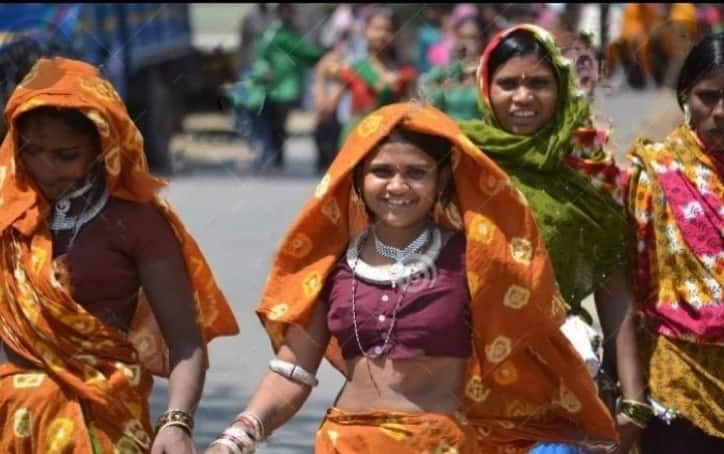

Unveiling the Tapestry of India’s Tribal Population: State-wise Insights
Subtitle: Nurturing Identity, Celebrating Diversity
Introduction: A Glimpse of the Tribal Communities of India
India, with its diverse cultural heritage, is a tapestry woven from the rich threads of many indigenous tribes. The tribal population scattered across the country plays an important role in preserving India’s cultural diversity. Understanding the state-wise distribution of Scheduled Tribes allows us to appreciate their unique traditions, address their specific needs and promote their inclusive development.
Unveiling the Tribal Landscape: A Mosaic of States
India’s tribal population finds its home in various states, each with distinct socio-economic and cultural characteristics. Let us look at the state-wise distribution of Scheduled Tribes, highlighting their vibrant presence in different regions of the country.
Lakshadweep: This picturesque Union Territory has the highest percentage of Scheduled Tribes in India. With an impressive proportion of 94.8%, Lakshadweep provides a nurturing environment for its tribal communities, preserving their cultural heritage amidst the serene landscapes of the archipelago.
Mizoram: Located in the northeastern part of the country, Mizoram is a testimony to tribal vibrancy. With a staggering proportion of 94.4%, the state exemplifies the deep connection between the land and its native inhabitants, fostering a thriving cultural tapestry.
Nagaland: Known for its breathtaking landscapes and vibrant festivals, Nagaland embraces its tribal communities with a ratio of 86.5%. The Naga tribes, with their unique customs, rich folklore and exquisite craftsmanship, contribute to the rich cultural mosaic of the state.
Meghalaya: With its pristine hills, cascading waterfalls and dense forests, Meghalaya is a haven for many Scheduled Tribes. The state’s proportion of 86.1% reflects the integral role of tribal traditions in shaping its socio-cultural fabric.
Arunachal Pradesh: Situated on the northeastern border of India, Arunachal Pradesh is home to a wide variety of tribes. With a proportion of 68.8%, the state celebrates its indigenous heritage, showcasing a harmonious blend of cultural practices and breathtaking natural beauty.
promote identity and inclusive growth
Preserving cultural diversity and promoting inclusive development among the Scheduled Tribes has been a major objective of the Government of India. Efforts are underway to address challenges such as land rights, education, health care and socio-economic empowerment. Constitutional safeguards and special provisions have been implemented to protect the rights and interests of tribal communities.
understanding the demographic landscape
Apart from the state-wise distribution, an exploration of other demographic aspects of the Scheduled Tribes provides a comprehensive understanding of their social mobility.
Sex Ratio: The Scheduled Tribes show a favorable sex ratio in some areas. The sex ratio among Scheduled Tribes in Goa, Kerala, Arunachal Pradesh, Odisha and Chhattisgarh is in favor of females. In contrast, Jammu and Kashmir has recorded the lowest sex ratio for Scheduled Tribes in the country.
Literacy rate: While the overall literacy rate of India is 72.99%, the literacy rate of Scheduled Tribes is 59%. Mizoram has the highest literacy rate among Scheduled Tribes at 91.7%, while Andhra Pradesh records the lowest at 49.2%. Among the Union Territories, Lakshadweep shows an impressive literacy rate of 91.7% among the Scheduled Tribes.
adoption of cultural heritage
The state-wise distribution of Scheduled Tribes in India highlights the diverse picture of indigenous communities contributing to the cultural fabric of the country. Embracing their cultural heritage, promoting inclusive development and protecting their rights are essential steps towards preserving India.