

/cdn.vox-cdn.com/uploads/chorus_asset/file/24016885/STK093_Google_04.jpg)


/cdn.vox-cdn.com/uploads/chorus_asset/file/24808816/Starfield__The_Settled_Systems___Supra_Et_Ultra_____Starfield__The_Settled_Systems___Supra_Et_Ultra_2023_7_25_94252.263_1440p_streamshot.png)









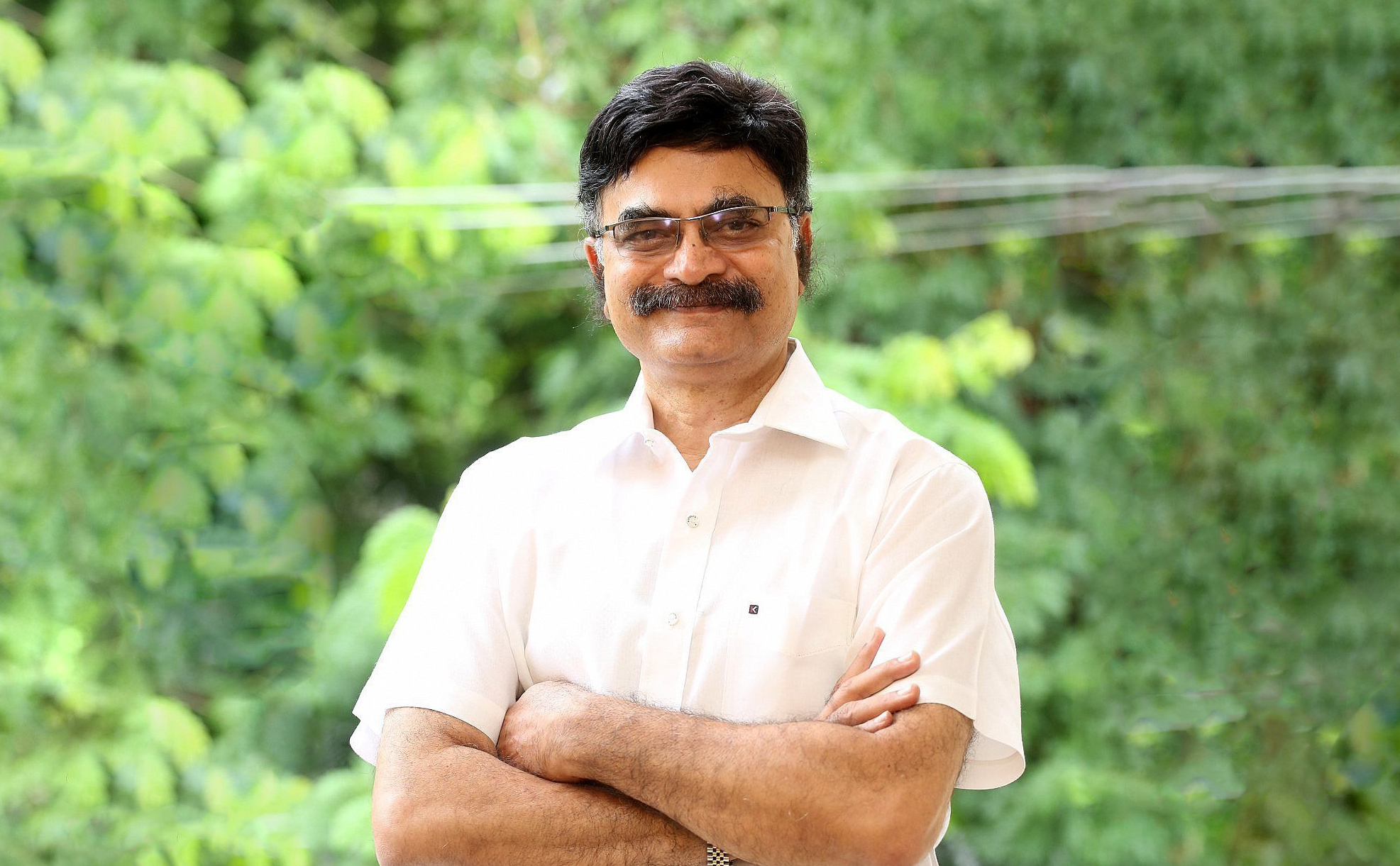
1. You have vast experience in the field of education and learning. How do you see the changes in higher education?
The higher education sector has undergone significant changes in recent years driven by various factors. One notable change is the increased emphasis on quality. Stakeholders of education including students and parents have become more discerning and focused on achieving high quality education that prepares them for the demands of the modern world. Furthermore, with greater recognition of the importance of interdisciplinary studies and practical skill development, the scope of higher education has expanded. This change has also resulted in a learner-centred approach to teaching, where teachers use technology and innovative methods to engage and empower students. The integration of modern technologies in the classrooms has been a game-changer, enabling interactive and immersive learning experiences. From online resources and virtual simulations to digital assessments and collaborative platforms, technology has revolutionized education and opened up new avenues for learning. This change has also prompted teachers to adapt their teaching methods and stay updated with the latest advancements in educational technology.
2 What are the reasons for the lack of quality in Indian education?
The main reason for the lack of quality that the Indian education system is facing is an outdated curriculum and redundant teaching methods that are not in sync with the needs of the modern world. Curriculum often lacks practical and industry-relevant components, hindering students’ ability to acquire the skills and knowledge needed for real-world applications. This mismatch between education and industry requirements creates a gap in employability and hampers the overall quality of education. Another contributing factor is the lack of skilled teachers. Education systems face challenges in recruiting and retaining competent teachers who have both subject expertise and effective pedagogical skills. Additionally, inadequate infrastructure and resource allocation create barriers to quality education. Many educational institutions lack essential facilities, such as well-equipped classrooms, laboratories, libraries and technology infrastructure.
3. Please suggest steps to incorporate quality in higher education system
To incorporate quality in higher education, it is important to focus on various aspects such as curriculum enhancement, faculty development, technology integration, infrastructure and resources, quality assurance mechanisms, industry collaboration and student support services. Updating the curriculum to align with industry standards and incorporating practical elements prepares students for real-world challenges. Providing professional development opportunities to faculty members enhances their teaching skills and keeps them updated with the latest educational practices. Ensuring availability of modern infrastructure and resources creates a conducive learning environment. Implementing quality assurance mechanisms and fostering collaboration with industries ensure continuous improvement and relevance. By considering these factors, higher education institutions can strive for excellence and provide a high quality education experience.
- Tell about KL Deemed University. How do you plan to build on the success of KL’s long presence?
Over the years, KL Deemed to be University has come a long way, evolved and adapted to meet the changing needs of the education scenario. The University embarks on its journey of innovation and knowledge at our state-of-the-art campuses in Vijayawada and Hyderabad. Since its inception in 1980 as KL College of Engineering at Vaddeshwaram, Koneru Lakshmaiah Education Foundation (KLEF) has made significant progress. In 2017, we started a new chapter as we expanded our presence in Hyderabad, a thriving hub for economics and business globally. At our Aziz Nagar campus in Hyderabad, we are at the forefront of the technological revolution. We proudly offer new generation courses like Artificial Intelligence (AI) and Machine Learning (ML) where students delve into the fascinating realm of Intelligent Systems and Data Analysis. At our KLH Global Business School campus in Kondapur, Hyderabad, we go beyond traditional business programs and offer revolutionary courses like MBA-FinTech, Global MBA where finance and technology converge and expose our students to the transformative power of financial technology Discover and teach them how to navigate through the dynamic landscape of the global financial industry. As we expand our educational offerings, we proudly present the upcoming Bowrampet campus in Hyderabad. The campus will offer a range of multidisciplinary courses designed to prepare students for the challenges of a rapidly changing world.
- What are the key strengths of KL?
The university stands out with its significant strengths which make an impressive difference in education. Our unwavering commitment to excellence propels us to offer a wide variety of courses that shape the leaders and professionals of tomorrow. We go beyond the traditional boundaries, empowering students to master cutting edge technologies and explore the convergence of multiple fields. Through the spirit of innovation, collaboration and entrepreneurship, we nurture their potential, prepare them for pioneering research and boldly shape the future with their ideas. At KL Deemed to Be University, we believe in equipping students with skills, global certifications and knowledge so that they can make a lasting impact and emerge as catalysts of change in the world.
- What are the opportunities to become a KL Deemed University nationally and internationally?
KL Deemed to be University has a range of opportunities both at national and international level. Through twinning programs, semester abroad programs, international internship opportunities, international faculty visits, international placements, and student and faculty exchange programs, the university provides students with an opportunity to gain a global perspective and experience a world-class education. The university has established strategic partnerships with 80+ renowned foreign universities and industries, including Indiana State University, DeVry University, University of Massachusetts, Latrobe University, Plymouth University, The Robert Gordon University, National College of Ireland and University West and many more Are. These collaborations enable faculty and student exchanges, research projects, mentorship and exploration of placement options abroad. Additionally, the university has tied up with industry giants such as Oracle, IBM, Microsoft, and CISCO, providing students with access to the latest technologies and specialized training. With these opportunities, the university aims to equip students with a competitive edge and prepare them for success in a globalized world. Additionally, the university’s emphasis on innovation, design thinking and entrepreneurship provides a platform for students to develop innovative solutions to national as well as global challenges.

1. You have vast experience in the field of education and learning. How do you see the changes in higher education?
The higher education sector has undergone significant changes in recent years driven by various factors. One notable change is the increased emphasis on quality. Stakeholders of education including students and parents have become more discerning and focused on achieving high quality education that prepares them for the demands of the modern world. Furthermore, with greater recognition of the importance of interdisciplinary studies and practical skill development, the scope of higher education has expanded. This change has also resulted in a learner-centred approach to teaching, where teachers use technology and innovative methods to engage and empower students. The integration of modern technologies in the classrooms has been a game-changer, enabling interactive and immersive learning experiences. From online resources and virtual simulations to digital assessments and collaborative platforms, technology has revolutionized education and opened up new avenues for learning. This change has also prompted teachers to adapt their teaching methods and stay updated with the latest advancements in educational technology.
2 What are the reasons for the lack of quality in Indian education?
The main reason for the lack of quality that the Indian education system is facing is an outdated curriculum and redundant teaching methods that are not in sync with the needs of the modern world. Curriculum often lacks practical and industry-relevant components, hindering students’ ability to acquire the skills and knowledge needed for real-world applications. This mismatch between education and industry requirements creates a gap in employability and hampers the overall quality of education. Another contributing factor is the lack of skilled teachers. Education systems face challenges in recruiting and retaining competent teachers who have both subject expertise and effective pedagogical skills. Additionally, inadequate infrastructure and resource allocation create barriers to quality education. Many educational institutions lack essential facilities, such as well-equipped classrooms, laboratories, libraries and technology infrastructure.
3. Please suggest steps to incorporate quality in higher education system
To incorporate quality in higher education, it is important to focus on various aspects such as curriculum enhancement, faculty development, technology integration, infrastructure and resources, quality assurance mechanisms, industry collaboration and student support services. Updating the curriculum to align with industry standards and incorporating practical elements prepares students for real-world challenges. Providing professional development opportunities to faculty members enhances their teaching skills and keeps them updated with the latest educational practices. Ensuring availability of modern infrastructure and resources creates a conducive learning environment. Implementing quality assurance mechanisms and fostering collaboration with industries ensure continuous improvement and relevance. By considering these factors, higher education institutions can strive for excellence and provide a high quality education experience.
- Tell about KL Deemed University. How do you plan to build on the success of KL’s long presence?
Over the years, KL Deemed to be University has come a long way, evolved and adapted to meet the changing needs of the education scenario. The University embarks on its journey of innovation and knowledge at our state-of-the-art campuses in Vijayawada and Hyderabad. Since its inception in 1980 as KL College of Engineering at Vaddeshwaram, Koneru Lakshmaiah Education Foundation (KLEF) has made significant progress. In 2017, we started a new chapter as we expanded our presence in Hyderabad, a thriving hub for economics and business globally. At our Aziz Nagar campus in Hyderabad, we are at the forefront of the technological revolution. We proudly offer new generation courses like Artificial Intelligence (AI) and Machine Learning (ML) where students delve into the fascinating realm of Intelligent Systems and Data Analysis. At our KLH Global Business School campus in Kondapur, Hyderabad, we go beyond traditional business programs and offer revolutionary courses like MBA-FinTech, Global MBA where finance and technology converge and expose our students to the transformative power of financial technology Discover and teach them how to navigate through the dynamic landscape of the global financial industry. As we expand our educational offerings, we proudly present the upcoming Bowrampet campus in Hyderabad. The campus will offer a range of multidisciplinary courses designed to prepare students for the challenges of a rapidly changing world.
- What are the key strengths of KL?
The university stands out with its significant strengths which make an impressive difference in education. Our unwavering commitment to excellence propels us to offer a wide variety of courses that shape the leaders and professionals of tomorrow. We go beyond the traditional boundaries, empowering students to master cutting edge technologies and explore the convergence of multiple fields. Through the spirit of innovation, collaboration and entrepreneurship, we nurture their potential, prepare them for pioneering research and boldly shape the future with their ideas. At KL Deemed to Be University, we believe in equipping students with skills, global certifications and knowledge so that they can make a lasting impact and emerge as catalysts of change in the world.
- What are the opportunities to become a KL Deemed University nationally and internationally?
KL Deemed to be University has a range of opportunities both at national and international level. Through twinning programs, semester abroad programs, international internship opportunities, international faculty visits, international placements, and student and faculty exchange programs, the university provides students with an opportunity to gain a global perspective and experience a world-class education. The university has established strategic partnerships with 80+ renowned foreign universities and industries, including Indiana State University, DeVry University, University of Massachusetts, Latrobe University, Plymouth University, The Robert Gordon University, National College of Ireland and University West and many more Are. These collaborations enable faculty and student exchanges, research projects, mentorship and exploration of placement options abroad. Additionally, the university has tied up with industry giants such as Oracle, IBM, Microsoft, and CISCO, providing students with access to the latest technologies and specialized training. With these opportunities, the university aims to equip students with a competitive edge and prepare them for success in a globalized world. Additionally, the university’s emphasis on innovation, design thinking and entrepreneurship provides a platform for students to develop innovative solutions to national as well as global challenges.


