

/cdn.vox-cdn.com/uploads/chorus_asset/file/24016885/STK093_Google_04.jpg)


/cdn.vox-cdn.com/uploads/chorus_asset/file/24808816/Starfield__The_Settled_Systems___Supra_Et_Ultra_____Starfield__The_Settled_Systems___Supra_Et_Ultra_2023_7_25_94252.263_1440p_streamshot.png)









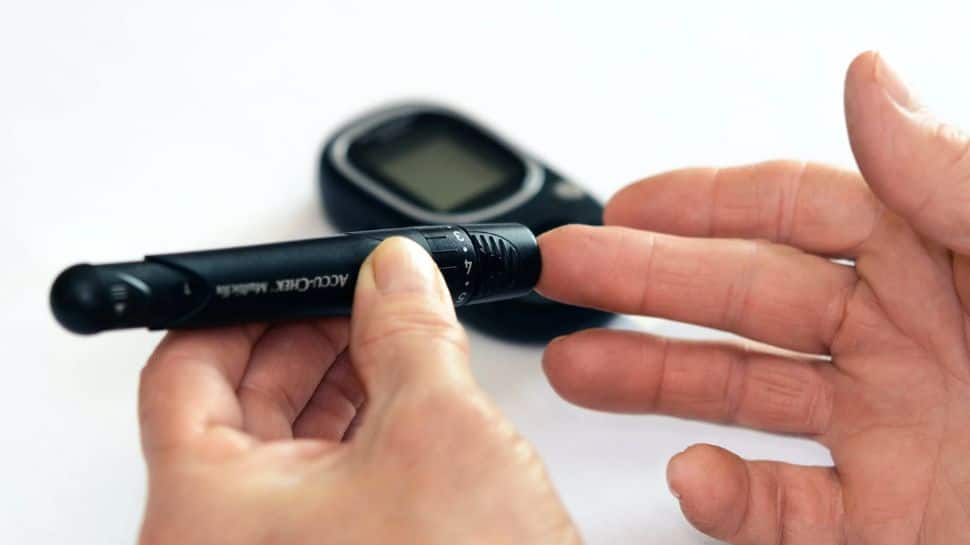

Researchers found that loneliness is a greater risk factor for heart disease in patients with diabetes than diet, exercise, smoking and depression.
The research was published in the European Heart Journal, a journal of the European Society of Cardiology (ESC). “The quality of social interaction appears to be more important than the quantity of engagement for cardiovascular health in people with diabetes,” said study author Professor Lu Qi, from Tulane University School of Public Health and Tropical Medicine, New Orleans, US. “We should not underestimate the importance of loneliness on physical and emotional health. I would encourage diabetics who feel lonely and try to join a group or class and make friends with people who have similar interests ”
The editorial noted, “Loneliness and social isolation are common in today’s societies and have become a focus of research during the past years, especially driven by the COVID-19 pandemic and the continuing digitization of society. ” Loneliness refers to the quality of social interactions, whereas isolation refers to the quantity. He states: “The human species is inherently social by nature. Human beings not only need the presence of others, but also rely on meaningful social relationships in order to develop into healthy adulthood. As individuals, We strive to belong to a family, a peer group, a community. These social interactions with family, friends, neighbors or co-workers are paramount to our physical and mental well-being.”
Patients with diabetes have a higher risk of heart disease and are more likely to live alone than their healthy peers. Previous studies in the general population have shown that both loneliness and social isolation are related to a higher likelihood of heart disease. This study on patients with diabetes examined whether patients who were lonely or socially isolated were more likely to develop heart disease than those who were not.
cre trending stories
The study included 18,509 adults aged 37 to 73 in the UK Biobank who had diabetes but no heart disease at baseline. Loneliness and isolation were assessed with a questionnaire, with one score assigned to high-risk characteristics. For a total score of 0 to 2, those with high-risk loneliness symptoms were feeling lonely and never or almost never able to confide in anyone. High-risk social isolation factors included living alone, visiting friends and family less than once a month. and not participating in any social activity at least once per week for a total score of 0 to 3.
Also read: Vitiligo: Will your baby have white patches on the skin – 8 common myths debunked by an expert
The researchers analyzed the association between loneliness, isolation and incident heart disease after adjusting for factors affecting the relationship, including gender, age, deprivation, body mass index (BMI), medications, physical activity, diet, alcohol, smoking and control. analyzed. of blood sugar, blood pressure and cholesterol. During an average follow-up of 10.7 years, 3,247 participants developed heart disease, of whom 2,771 had coronary heart disease and 701 had stroke (some patients had both). Compared to participants with the lowest loneliness scores, participants with scores of 1 or 2 had 11% and 26% higher risk of heart disease, respectively. Similar results were seen for coronary heart disease but the association with stroke was not significant. Social isolation scores were not significantly related to any of the cardiovascular outcomes.
The researchers also assessed the relative importance of loneliness compared to other risk factors on the incidence of heart disease. Loneliness showed a weaker effect than kidney function, cholesterol and BMI, but a stronger effect than depression, smoking, physical activity and diet. Professor Qi said: “Loneliness ranked higher as a predisposing factor for heart disease than many lifestyle habits. We also found that for patients with diabetes, physical risk factors (ie poorly controlled blood sugar, high blood pressure, high cholesterol, smoking), and poor kidney function) were higher in those who were lonely than in those who were not alone.” They concluded, “The findings suggest that asking patients with diabetes about loneliness should become part of standard assessment, with those affected being referred to mental health services.”


