/cdn.vox-cdn.com/uploads/chorus_asset/file/24016885/STK093_Google_04.jpg)


/cdn.vox-cdn.com/uploads/chorus_asset/file/24808816/Starfield__The_Settled_Systems___Supra_Et_Ultra_____Starfield__The_Settled_Systems___Supra_Et_Ultra_2023_7_25_94252.263_1440p_streamshot.png)









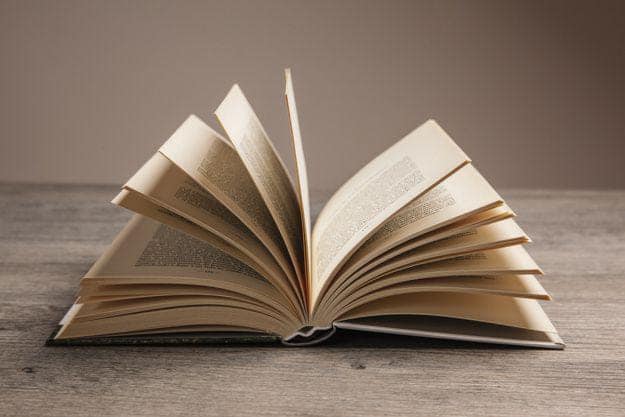

While the world is dependent on smartphones for daily activities like ordering food, booking cabs and shopping, when it comes to education, people still prefer physical books rather than e-books. According to Amandeep Kochhar, CEO of international company Baker & Taylor Group, the market for e-books has grown rapidly in recent years, but has stagnated since the start of the COVID-19 pandemic. In contrast, the market for traditional books continues to grow.
According to a Pew Research Center study, traditional books remained the first choice for 72% of book enthusiasts last year, while only 27% preferred e-books. According to Statista, in India too, about 25% of the population who enjoy reading books prefer traditional printed books even in today’s digital age, while only 6.3% choose e-books on their phones.
Amandeep Kochhar, CEO, Baker & Taylor Group, expressed his views on the trend of traditional printed books in education, despite the global trend towards digitization. He highlighted that several scientific studies have shown that reading books improves mental health and reduces stress. According to research conducted at the University of Sussex, reading books for just 18 minutes a day can reduce stress levels by up to 68% as it lowers heart rate and relaxes muscles. Hence, books not only provide knowledge but also contribute to better mental health.
cre trending stories
As the world embraces digital advancements, the preference for traditional printed books in education remains strong. The tangible experience, feel of the pages and immersive nature of physical books continue to captivate readers, providing a unique and cherished reading experience that cannot be replicated by digital platforms.